Anani Kaike
11.13.19
Many see ex-governor Ricardo Rossello’s behavior as appalling however it is not something new. This behavior started with the first governor the Spanish appointed to the island, JuanPonce de Leon, however here is Charles Herbert Allen’s plan to turn Puerto Rico into a sugarcane plantation.
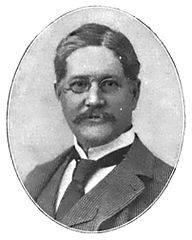 “In less than ten years, Allen built the largest sugar syndicate in the world: and his hundreds of political appointees in Puerto Rico provided him with land grants, tax subsidies, water rights, railroad easements, foreclosure sales and favorable tariffs,”
says Nelson A Denis. The damage Allen did, didn’t end after his short governorship.
Charles Herbert Allen, was the first US appointed governor of Puerto Rico. He lasted only 1 year, however in that 1 year he managed to turn Puerto Rico into one giant field of sugar. He went on to become the President of the American Sugar Refinery (ASR), now Domino Sugar. Allen was appointed governor by President William McKinley. He then went to Wall Street and in 1907 he controlled 98% of the sugar in the United States. He arrived in Puerto Rico with a Naval Cannon Salute and the Fortaleza was, as Nelson A Denis says “gift wrapped. Allen delivered his inaugural address behind the largest, most imperial flags that Puerto Ricans had ever seen”. His first orders of business where, raise property taxes (destroying small farmers), froze construction, repair funds for schools around the island, and withheld loans. Then he used the Insular Budget to fund “US owned farm syndicates and subsidized roads built by his father and his company. Next he put Americans at all the top positions in governor and not only were they the highest positions, they were also paid the highest. Here is his annual report to the President,

Library of Congress.

“The soil of this island is remarkably productive…as rich as the delta of the Mississippi or the valley of the Nile. With American capital and American energies, the labor of the natives can be utilized to the lasting benefit of all parties. Porto Rico is really the ‘rich gate’ to future wealth. . .by that indomitable thrift and industry which have always marked the pathway of the Anglo-Saxon. The yield of sugar per acre is greater than in any other country in the world. A large acreage of lands, which are now devoted to pasturage, could be devoted to the culture of sugar cane. The cost of sugar production is $10 per ton cheaper than in Java, $11 cheaper than in Hawaii, $12 cheaper than in Cuba, $17 cheaper than in Egypt, $19 cheaper than in the British West Indies, and $47 cheaper than in Louisiana and Texas.”
Charles Herbert Allen.
Nelson A. Denis said it well in his book, ‘War Against All Puerto Ricans’. “This was no mere first annual report to the president. It was a business plan for a sugar empire and Allen quickly staked his claim” Pp 58.
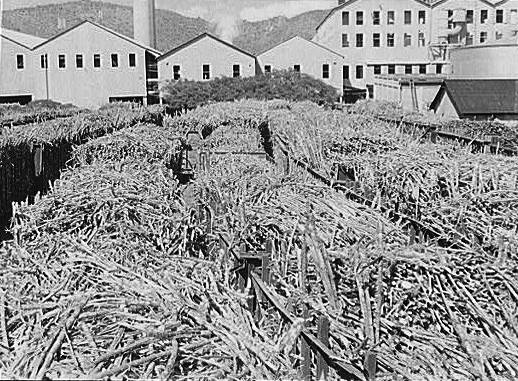
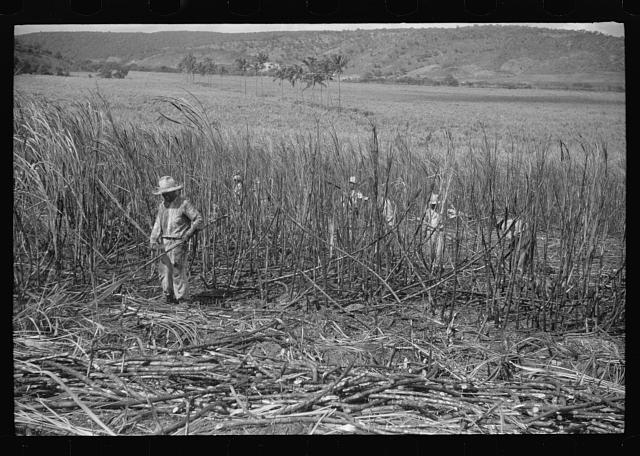
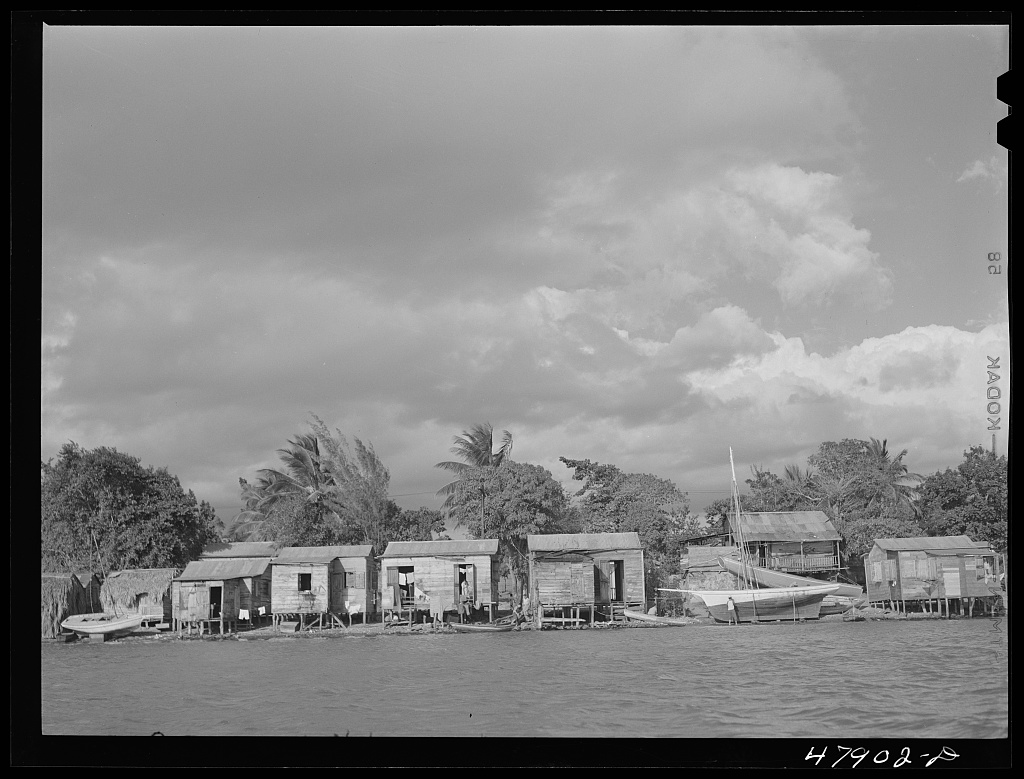
With the above pictures showing poor macheteros, we have to wonder, who Allen was making wealthy, because, it defiantly was not the macheteros shown in the pictures above. It was not Julio Feliciano Colon who left school at the age of 8 to support his sisters and mother. He made 4$, a week for the hardest job in the cane fields. Allen wasn’t enriching Julio, he was enriching himself and his friends. And did I mention that the US/Allen devalued the peso and made it worth only 60 cents, which meant everyone lost 40 % of their money, from one moment to the next: American Hurricane relief.
Several weeks after this report, he resigned, however that wasn’t the end of it. He went to Wall Street and soon owned 98% of sugar in the US. By 1910 he was the treasurer or ASR (Domino Sugar). 1913, he was the president of ASR and in 1915 he was on the board of directors.
With that I leave you with a quote from Denis, again. “
When we think of robber barons, the usual suspects include John D. Rockefeller, J.P. Morgan and Cornelius Vanderbilt. But one robber baron has gone underappreciated: the man who stole Puerto Rico. His name is Charles Herbert Allen, the first U.S. civilian governor of Puerto Rico. He served only 17 months, but that was all he needed to perform one of the most spectacular crimes of the 20th century. By the time Allen left Puerto Rico, the entire island was a crime scene. Allen hailed from Lowell, Massachusetts—famous for child labor and textile mill sweatshops. Though he never served in the armed services, he loved to dress in military regalia and have people address him as “colonel.”
Nelson A. Denis.
 Voice of the Water Lily
Same thing is happening now in PR with act 22 move to PR and pay zero taxes. Who implemented that law ?
LikeLike
Dear Water Lily,
Thank you for shining a spotlight on the atrocities carried out against the people of Puerto Rico, by Charles Allen. It’s a shame that he didn’t choose to uplift the people instead of pushing them down!
I pray that the people will someday be free to shine like the brilliant stars they truly are.
Kathy
LikeLike