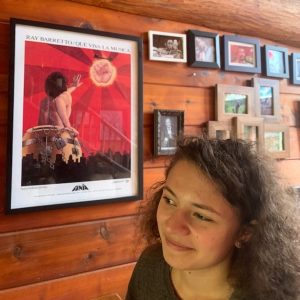
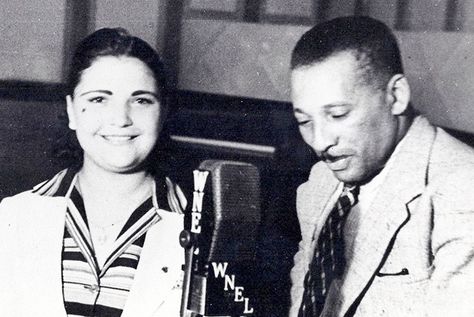
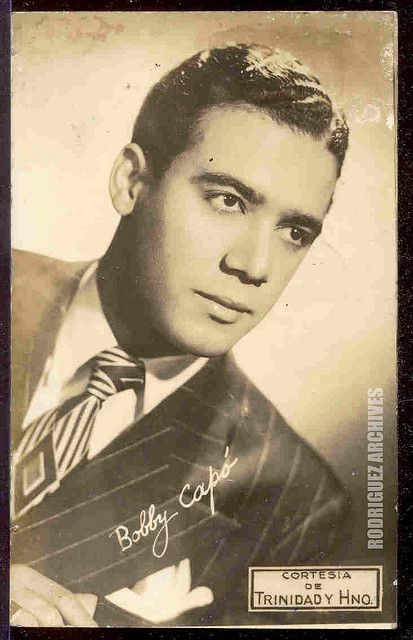
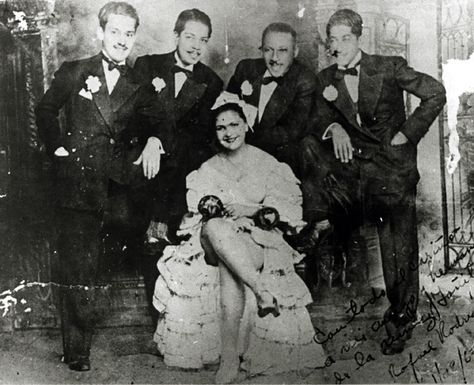
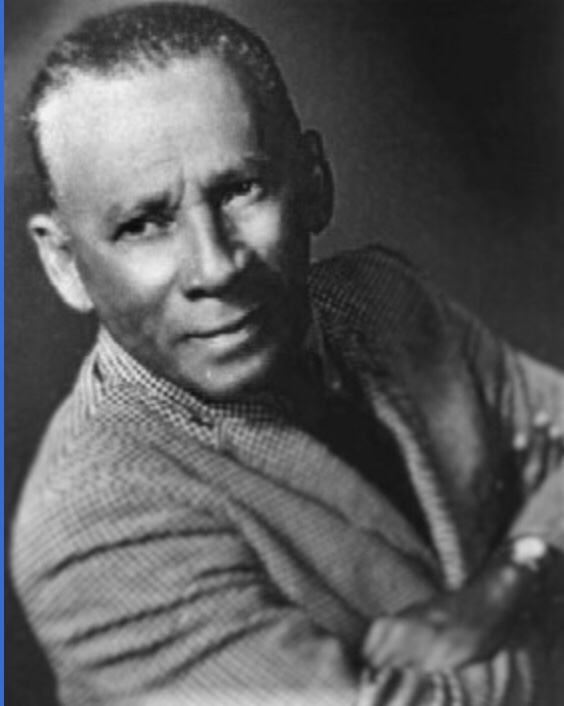
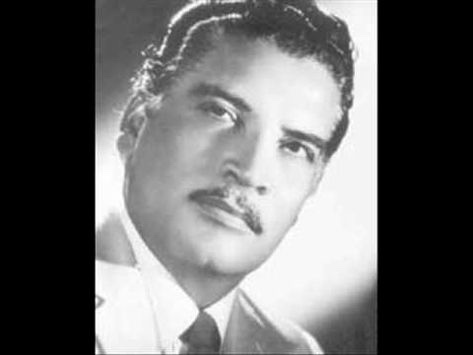
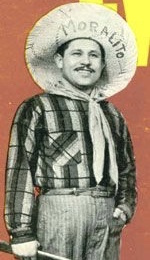
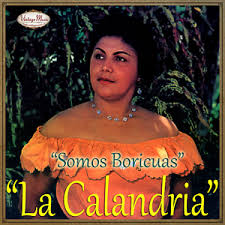
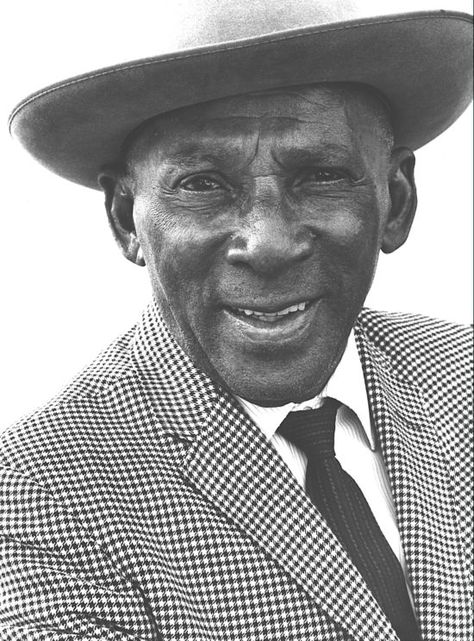
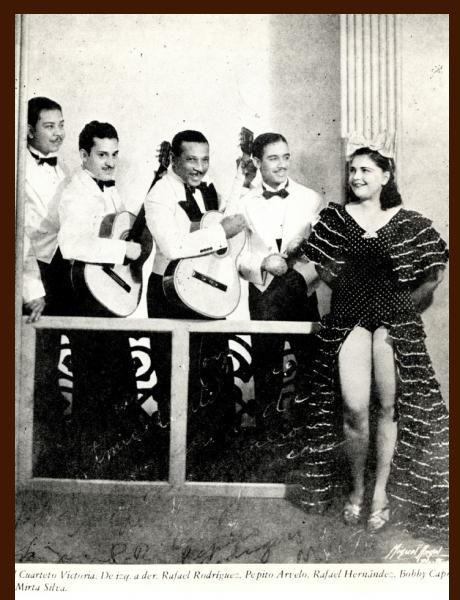
We must not forget the music of our Abuelas and Abuelos. My father always told me how my grandfather (Papa) loved the old artists of Borinquen, names that people don’t know today, like Bobby Capo, Daniel Santos, Los Hermanos Morales, the great Rafael Hernandez, Joe Valle, Felipe ‘La Voz’ Rodriguez, Yomo Toro, ‘El Trio Los Panchos’, El Gallito de Manati, Myrta Silva, Chuito de Bayamon, La Calandria and others. On Papa‘s birthday or the day he passed on to the ancestors, my father would always tell me to put some Jibaro music on for him.
One of the earliest recognized Puerto Rican musicians to come to New York and record was Rafael Hernandez in the early 1920’s. Rafael’s sister, Victoria, opened the Hernandez Record Store, the first Latin Music store in New York. Victoria was Tito Puente’s piano teacher as a child. While sitting in front of that store Rafael wrote ‘Lamento Borincano’ , a heartbreaking tale of a Jibaro who travels to market to sell what is in his cart however the day goes by and no one buys anything and he goes home crying. The song described the situation in Puerto Rico and was so painfully heartfelt it can still bring tears to the eyes of many Boricuas. For as long as I can remember I have heard renditions of ‘Lamento Borincano’. This song and others he wrote such as ‘Preciosa’ and ‘Los Carreteros’ show how in love Rafael was with his country and how deeply it hurt him to see the state she was in. Many musicians who later became famous started out working with Hernandez and recording his songs.
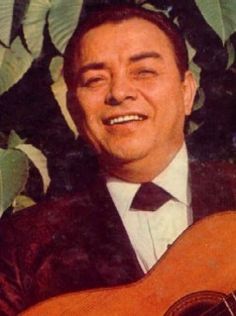
One song my father remembered growing up was ‘El Trio Los Panchos’s’ version of ‘En Mi Viejo San Juan’ featuring Mexican Ranchera Bolero singer, Javier Solis. Javier sings the song with so much love and adoration for Puerto Rico. This song is also a sad tale of a young man who leaves his homeland, in this case Puerto Rico, while he promises himself that he will go home one day. The song goes on to say that the man hair has gone white and he is now saying that he at least does not want to die outside of Puerto Rico. This sad song is the song of so many, even my own grandfather who longed to go home and wanted to be buried there.
Los Hermanos Morales (Ramito, Moralito and Lusito), Chuito de Bayamon, ‘El Gallito de Manati’ and ‘La Calandria’ among others were part of the genre of Jibaro (country) music. Their music was mostly inspired by the beauty but also the sad conditions of Puerto Rico, some songs were about love and others about dramas and stories. Contreversías are a style that consisted of two singers exchanging lines about each other (soneos). Sometimes these “sonero” battles would result in an actual fistfight. Aguinaldos are a style that specifically refer to the jibaro music that is played for the holiday season. Many times in small towns the musicians would travel from house to house forming a parranda, as people followed the musicians around the village, singing and dancing. There are many other forms of Jibaro music as well, such as Decimas, Seis, Mapeye, Seis Chorrea, Marianda, Guaracha Jibara, Bolero Jibara and many more.
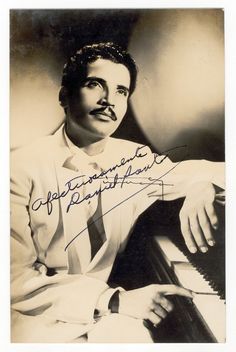
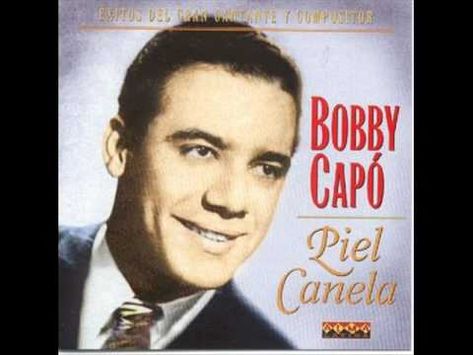
Another big star was Felipe ‘La Voz’ Rodriguez, the most popular singer of the 1950’s in Puerto Rico. Daniel Santos, a huge star in Cuba as well as Puerto Rico (one of my grandfather’s personal favorites). Joe Valle is known for his beautiful renditions boleros, however also worked with Cesar Concepcion’s Orchestra performing Plenas and other danceable rhythms. Myrta Silva was known as ‘La Gordita de Oro’ and was one of the first Puerto Ricans to have her own TV show in the 1960’s. Bobby Capo was a great composer and tremendous singer, he wrote many beautiful and deeply emotional songs about Puerto Rico such as Mi Borinquen, Sonando con Puerto Rico and Despierte Borincano. The latter tells Boricua’s to wake up to the oppression they are facing and to fight against it. Capo also had a TV show in the 60’s.
Note: Click images to inlarge





NOTE: No copyright infringement is intended. All images remain sole property of their respective copyright holders. I in no way imply ownership of the images
 Voice of the Water Lily