Anani Centeno
December 23, 2018
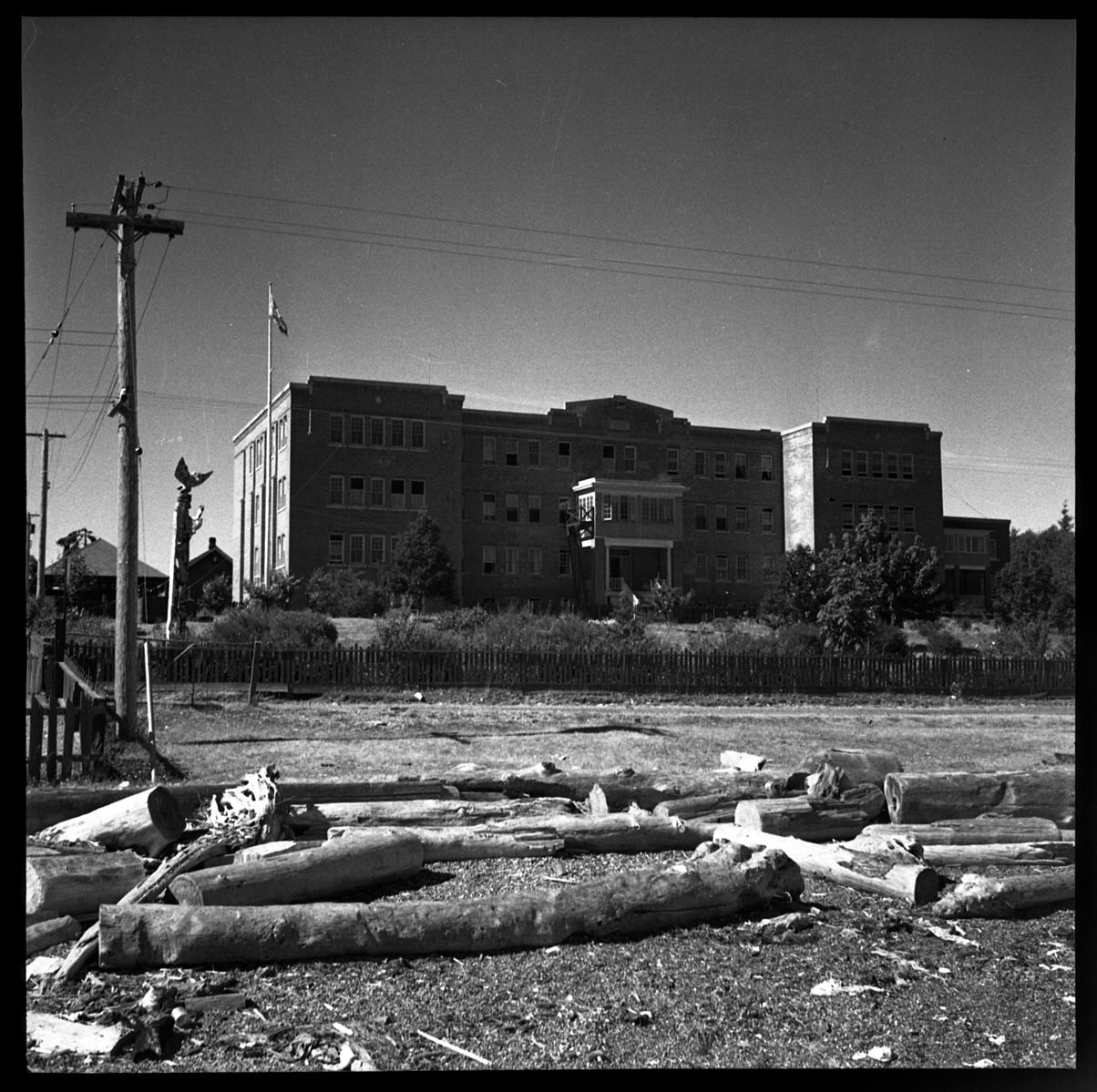
For more than 100 years indigenous, Native American, children were forcibly removed from their homes and families and taken to boarding or residential schools. In these schools children were overworked, severely punished and underfed. As many as 6,000 children died in the schools, though no real number is know. This lasted until 1990 when the last one closed. Over 150,000 children from the Metis and Inuit nations alone were taken from their families. This part of history is another untaught aspect in most schools.
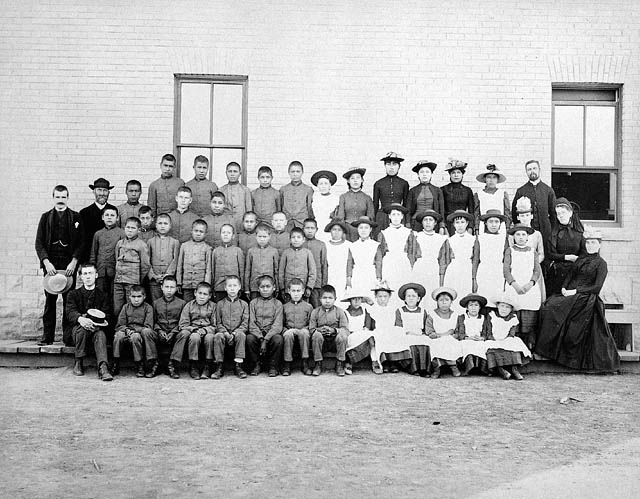
The residential school system was created by the Department of Indian Affairs. The goal was to assimilate and destroy indigenous culture by forcefully instilling christianity, teaching the children english language and banning the speaking of native languages. The one and only purpose of these schools was a widespread cultural genocide by removing the children from their cultures and banning their traditional languages. The effects of this are seen today with rates of suicide, alcoholism, and PTSD (post traumatic stress disorder) many times higher than the national average on reservations.
The system was extremely confusing and employed a large amount of trickery. Parents had the choice of sending their children to a regular day school or a boarding school, but due to the rural location of many families they were forced to choose boarding schools since the regular day schools could be hundreds of miles away. Many children though were simply taken forcibly if the parents refused to take them to boarding school.

The punishments for speaking native languages at school were severe. Like in the case of Irene Chouchie Dupis. Irene was taken from her family with two of her brothers and taken to a residential school. On one occasion she said “miigwetch” in her language the word for “thank you”. The teacher heard her and held her hands over hot coals until her hands blistered to the point that the scares never healed. This was commonly happening to students. Children were beaten and starved for speaking their native languages and told that their cultures were the “devils culture” and their language “the devils language”.
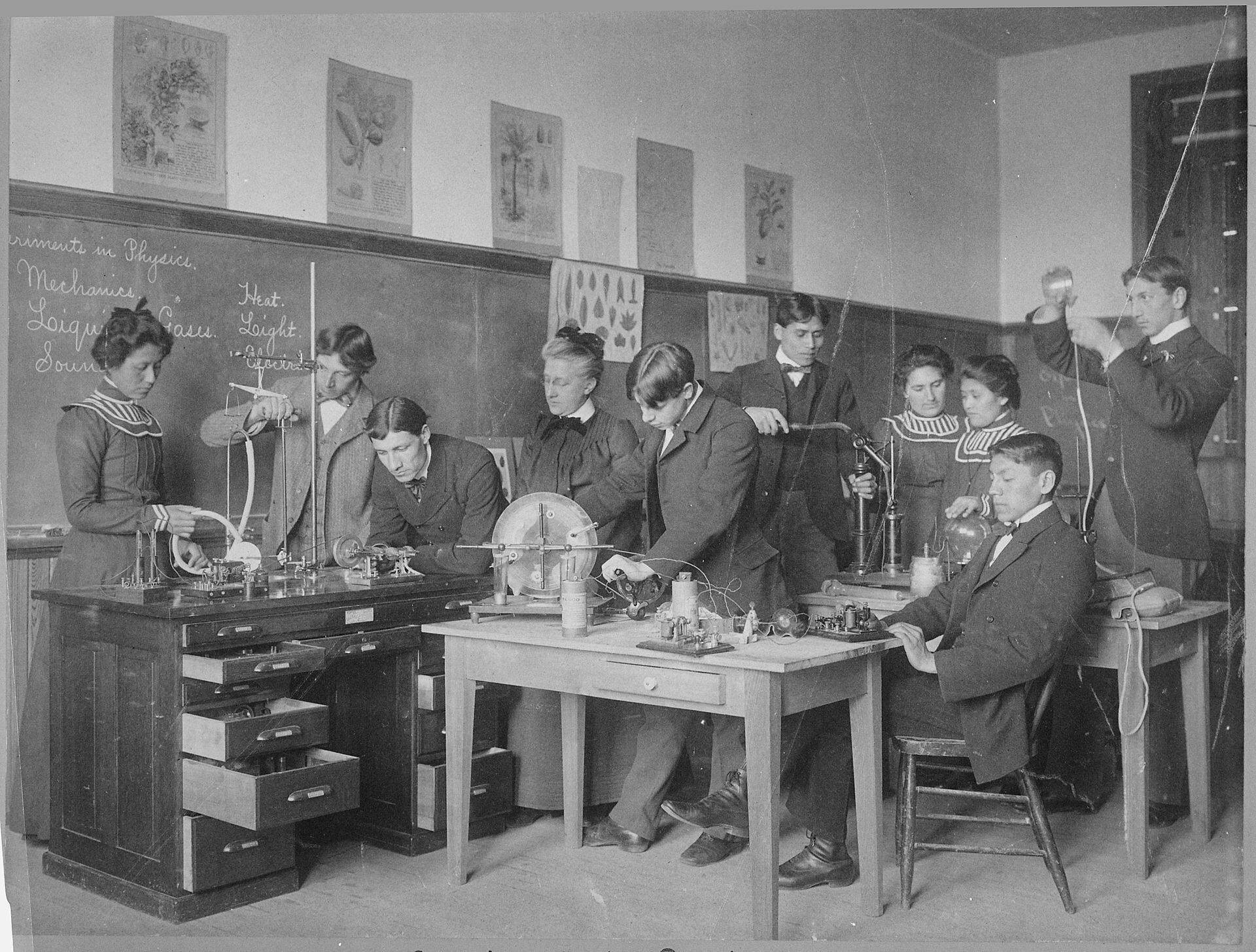
The mandatory cutting of hair was another way to detach children from their cultures. Hair was another point of pride and culture in indigenous societies. Hair was usually grown long past the shoulders with both girls and boys. Many tribes said that if someone had your hair they could use it to curse you or do other harm. People also cut their hair if they were shamed or disgraced. The mandatory cutting of hair was a shame and humiliation to the children.
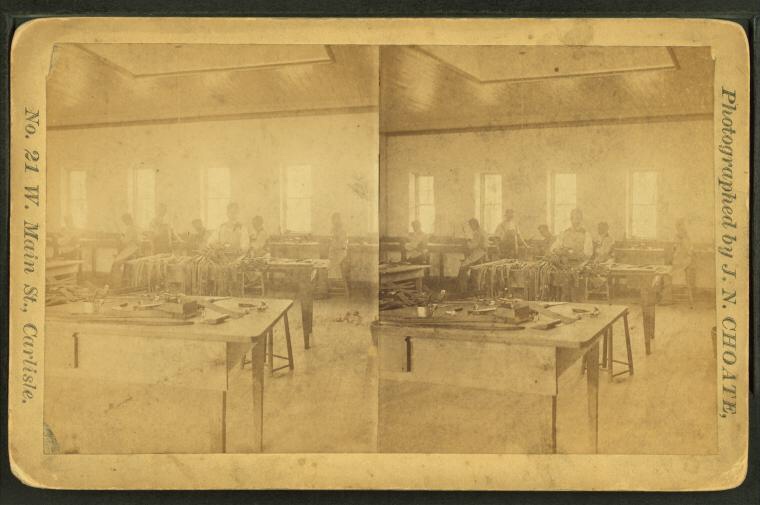
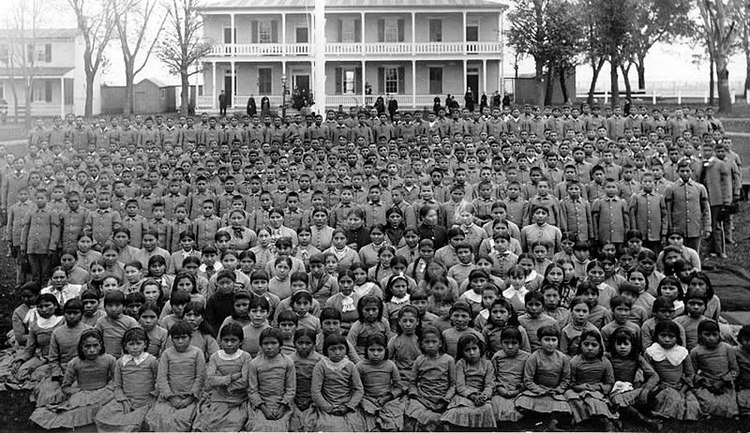
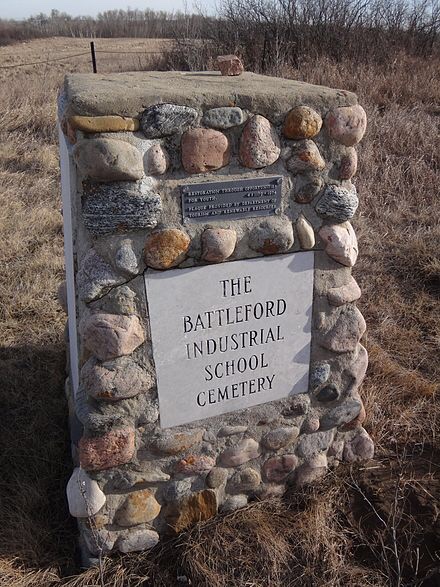
The number of children who died at the Canadian residential schools alone is not fully known, but one estimate is an upwards of 6,000 children died at these schools. Many more thousands died around America. Many died due to infectious contagious diseases, mainly tuberculosis. In one instance in a 10 day period there were 325 cases of measles, 60 of pneumonia and 9 students died. Some number were killed by the nuns and teachers and others even starved or were overworked to death. Death rates among native children were 6.5 times higher than other ethnic groups. Most schools had a cemetery but they were almost always unmarked and no one outside of the school actually knew where it was. There are hundreds if not thousands of children that are still missing. No real effort to find the children was ever conducted to find the missing most likely dead children.
The history of boarding schools though rarely taught, is not so long ago. This treatment of indigenous children was happening as late as 1990. Indigenous children were taken from their cultures and traditions in attempts to assimilate them into “popular american culture”. Many times the people who had been taken to these schools had trouble raising their own children due to the traumas that they had experienced in the boarding schools. This is exactly what the intention behind the schools was, they were conscious of the long term effects of this system.
 Voice of the Water Lily